Technology
Arizona Data Centers Spark Backlash Over Scarce Water
Arizonans welcomed the TSMC chip plant with open arms, yet they are fiercely rejecting new data centers proposed from Phoenix to Tucson. Both industries need water in a desert state where supply keeps tightening. The opposition to Arizona data centers comes from a grassroots coalition of residents that, unexpectedly, spans party lines.
TSMC, Phoenix's thirsty economic savior
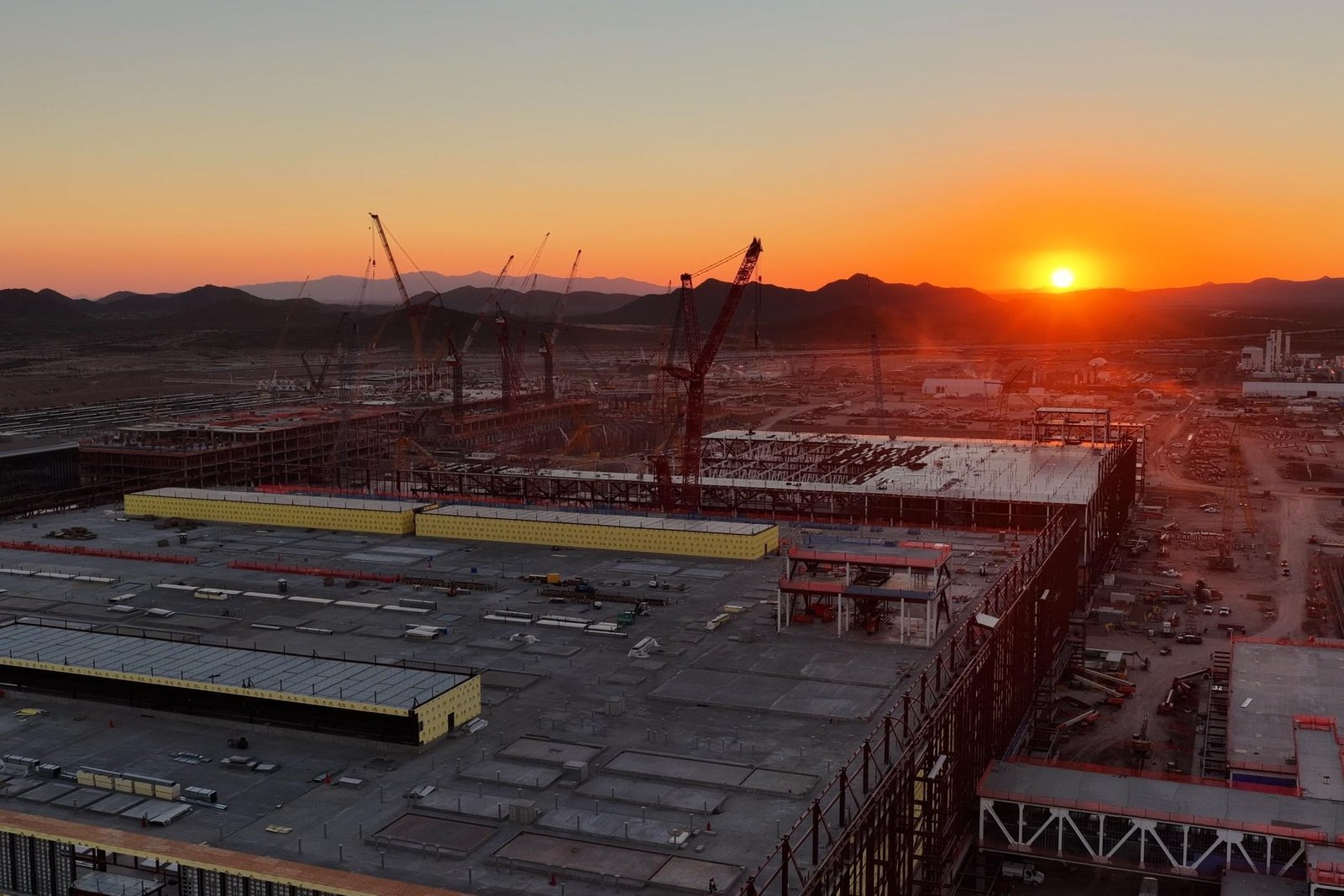
The TSMC complex rises gray out of the desert, ringed by mountains, with buildings that keep multiplying and parking lots that seem to have no end. The plant draws nearly 5 million gallons of water a day from Phoenix's municipal supply. Locals consider the price worth paying: TSMC is the world's leading microchip maker, and its arrival was the result of a pre-pandemic gamble by Phoenix to revive an economy that never fully recovered from the Great Recession.
In 2020, while the global economy was nearly shut down, TSMC announced it would open a fab, an advanced semiconductor foundry, in Phoenix. The company initially projected $12 billion in investment in Arizona's economy by 2029. That projection has now ballooned to $265 billion, which TSMC touts as the largest foreign direct investment in US history. The second fab has just been completed, a third is under construction, and several more are planned.
It was a long time coming. TSMC began searching for a US location in 2016 through a request for proposals issued under a codename, and no city won at that point. Christine Mackay, head of Phoenix's economic development office, refused to give up. Her team asked what Arizona was missing, then spent the next three years addressing those concerns. In 2019, Phoenix sent a delegation to Taiwan to present a plan for a science and technology park built around a factory. According to Mackay, Arizona now has a sixth C: chips. The other five are cattle, copper, cotton, citrus, and climate.
Why Arizona data centers face a different fate
Some local leaders may have hoped TSMC's success could be repeated with hyperscale data center projects. The logic seemed natural: Arizona already has the largest chip factory on this side of the Pacific, plus 172 data centers that drew almost no pushback. But the newer, bigger proposals demand more water, power, and land than residents are willing to give. Now people line up by the dozens to speak at city council meetings, and ordinary residents who spent two years learning about zoning, land use, and water consumption have joined the fight.
Data center developers promise jobs, tax revenue, and infrastructure, and claim they use less water than people expect. Google's facility in The Dalles, Oregon, for example, uses about 1.5 million gallons a day, roughly one-third of what TSMC's Arizona complex consumes. Those assurances haven't calmed residents, because Arizona is about to lose access to nearly 30 percent of the water it receives from the Colorado River.
The case shows that the AI and chip boom always collides with local resources like water and electricity. For readers following data center plans in their own countries, Arizona is an example of how economic promises alone may not be enough to win over the people who live next door.
Category
Technology
Share