Security
Pacific Undersea Cables: Google and Meta Face Rising Sabotage Risk
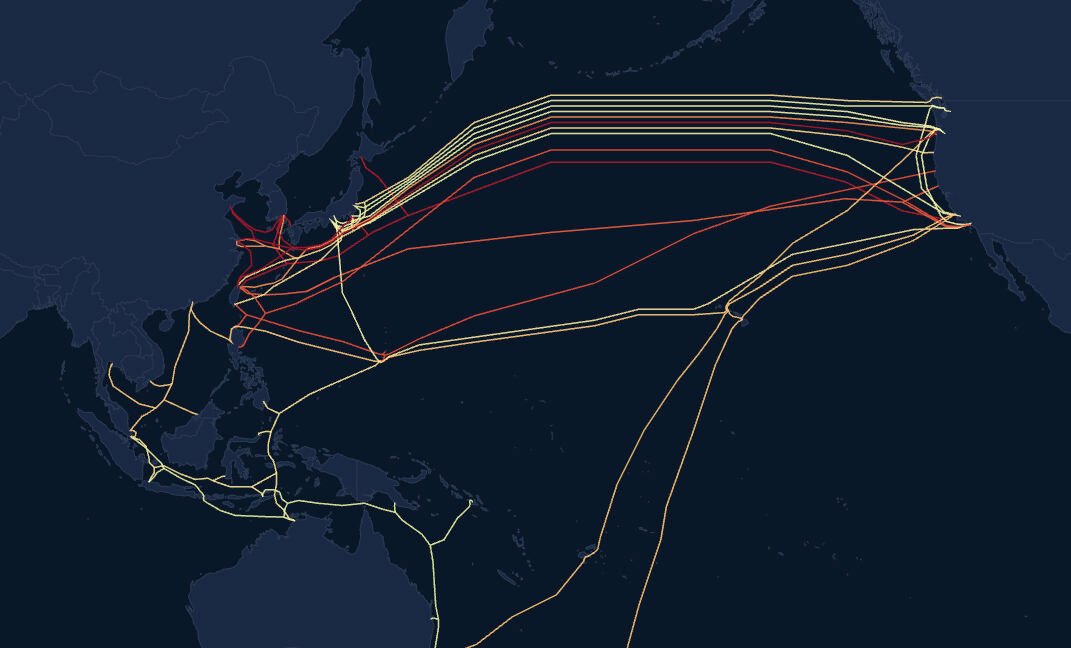
Undersea cable projects owned by US companies such as Google and Meta face the greatest sabotage risks in the Pacific Ocean, according to a new report. The news comes as Chinese research ships have been logging an extraordinary amount of time apparently surveying undersea cables. Meanwhile, several Chinese commercial ships are under investigation for allegedly cutting cables in European and Asian waters.
Why undersea cables are in the spotlight
Undersea cables are the backbone of the internet. Most of the damage actually comes from accidents, namely bottom-trawling fishing nets and ship anchors dragging along the seabed. Storms and undersea landslides also play a part.
However, rising international tensions and open conflicts mean suspicious incidents are now watched much more closely. Analysts warn that Russia and China in particular could use cable sabotage or tampering as “gray zone” tactics, meaning moves that stop short of direct military confrontation.
A report from an advisory commission to the US Congress
The latest risk assessment of China's gray zone tactics against undersea infrastructure comes from a report by the US-China Economic and Security Review Commission. The commission is an independent government body that advises the US Congress. The report was contracted to the China Strategic Risks Institute, a London-based think tank, and published in September 2026.
If you rely on cloud services or platforms run by big tech companies, the report is a reminder that the internet depends on physical cables on the ocean floor. Google's and Meta's cable projects in the Pacific are described as being in the most vulnerable position when it comes to sabotage.
Category
Security
Share