Rumors
Where Apple focused engineering so the iPhone Duo could have desktop-like performance
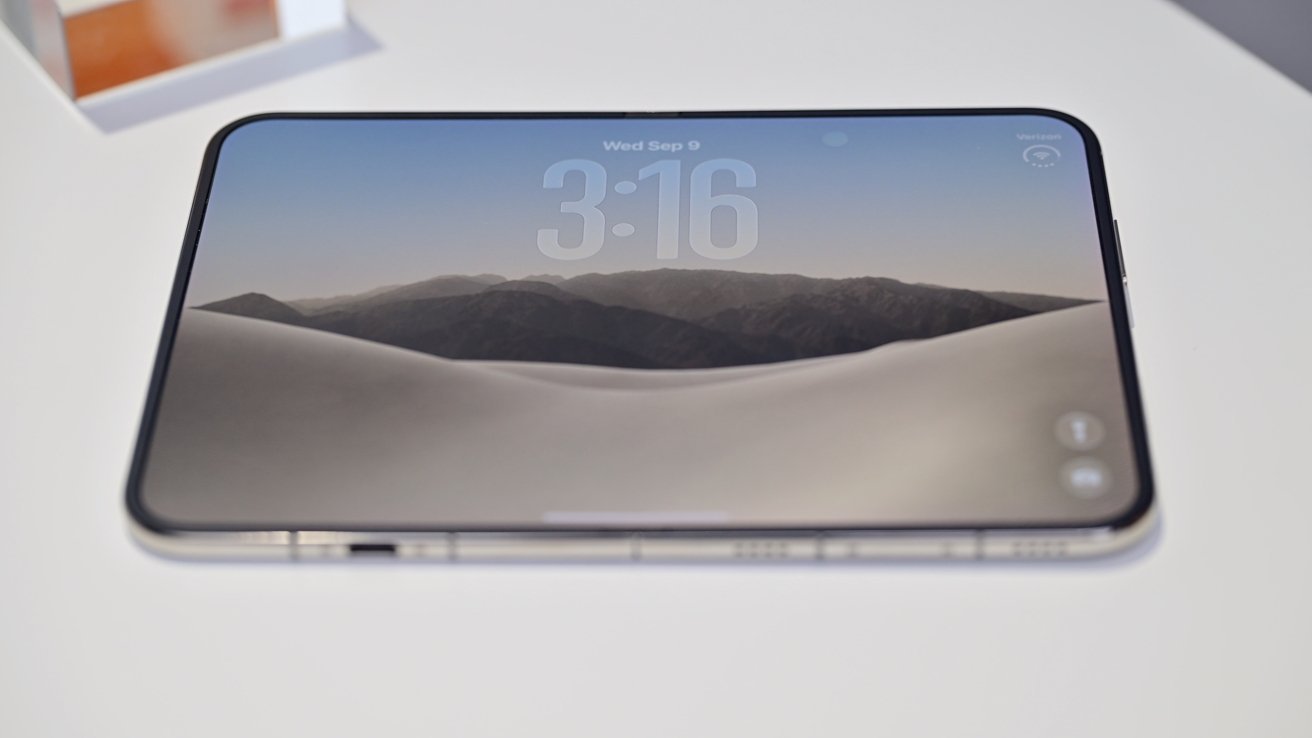
Apple faced a major challenge when designing the extremely thin iPhone Duo. The extreme thinness forced the company to make a number of specific design choices so heat could be controlled. It's not just about aesthetics or grip comfort; thermal control is directly related to performance, component lifespan, and everyday user experience.
One of the main issues with very thin or foldable devices is the trade-off between slimness and cooling capability. The thinner the device, the less room there is for conventional cooling components or heat-dissipation paths. In a foldable form factor, component placement and hinge structure add complexity because the effective surface area for releasing heat is divided and internal shapes become more complicated.
PCMag Interview: Apple's Explanation
In an interview with PCMag, two Apple engineers, Dan Murray and Banafsheh Barabadi, explained how the company handled those thermal challenges. They emphasized that Apple's approach wasn't about adding a single cooling component, but rather a combination of design decisions—ranging from internal layout and material choices to software optimization—that work together to control temperature without compromising the device's thin profile.
According to their explanation, thermal innovation doesn't reside in a single part but is distributed across multiple elements inside the device. This includes strategies for placing components, selecting materials that help spread heat, and software-based thermal management systems that balance performance and temperature. This comprehensive approach lets the iPhone Duo maintain optimal performance in a very compact package.
Apple's approach also considers the end user: how the device feels in your hand, how sustained performance behaves when running heavy apps, and how the overall experience holds up in real-world use. Thus, the heat-control efforts for the iPhone Duo cover mechanical engineering, materials, and software in an integrated way.
Here is a summary of the solutions they mentioned and how thermal innovations are placed inside the device:
1. Component Layout
Placing heat-generating components in strategic locations so heat distribution is more even and not concentrated in areas that are easily felt by the user.
2. Material and Structural Choices
Using materials and chassis structures that help passive heat spreading, maximizing effective surface area even within a thin profile.
3. Integrated Passive Cooling
Implementing passive cooling elements integrated into internal parts so they don't disrupt the thin design yet still improve heat dissipation.
4. Software Optimization
Software-based thermal management to balance performance and temperature, regulating component performance when needed so the device does not overheat.
In conclusion, the iPhone Duo demonstrates that addressing thermal challenges in very thin and foldable devices requires holistic solutions. Apple chose a combination of mechanical design, materials, and software management to keep temperatures under control without sacrificing the main goals: a slim design and a smooth user experience.
Source: appleinsider.com
Category
Rumors
Share